Ignoring That Cavity? What Waiting Really Costs You in Euless ?
Ignoring a cavity might seem like an easy way to avoid a dental appointment today, but delaying treatment can make things more complicated. For Euless residents, the smartest approach is to address tooth decay early, understand your treatment options and ask for a clear cost estimate before starting dental work. A simple filling may be all you need today. Waiting too long could mean more extensive treatment later.
7 min read
In this article

That small dark spot on your tooth might not seem like a big deal. Perhaps it doesn't hurt, or maybe you only feel a little sensitivity when drinking something cold. It's easy to put off a dental appointment when life gets busy.
But ignoring a cavity can turn a relatively simple dental problem into a much more expensive treatment.
For homeowners, families and working professionals in Euless, Texas, understanding the consequences of untreated tooth decay is important. What starts as a small cavity can gradually reach the deeper layers of the tooth, potentially requiring a root canal, dental crown or even extraction.
So, how much can waiting actually cost? What happens when a cavity gets worse, and when should you visit a dentist?
Let's look at the warning signs, possible treatment costs and what Euless residents should know before delaying dental care.
1. What Happens When You Ignore a Cavity?
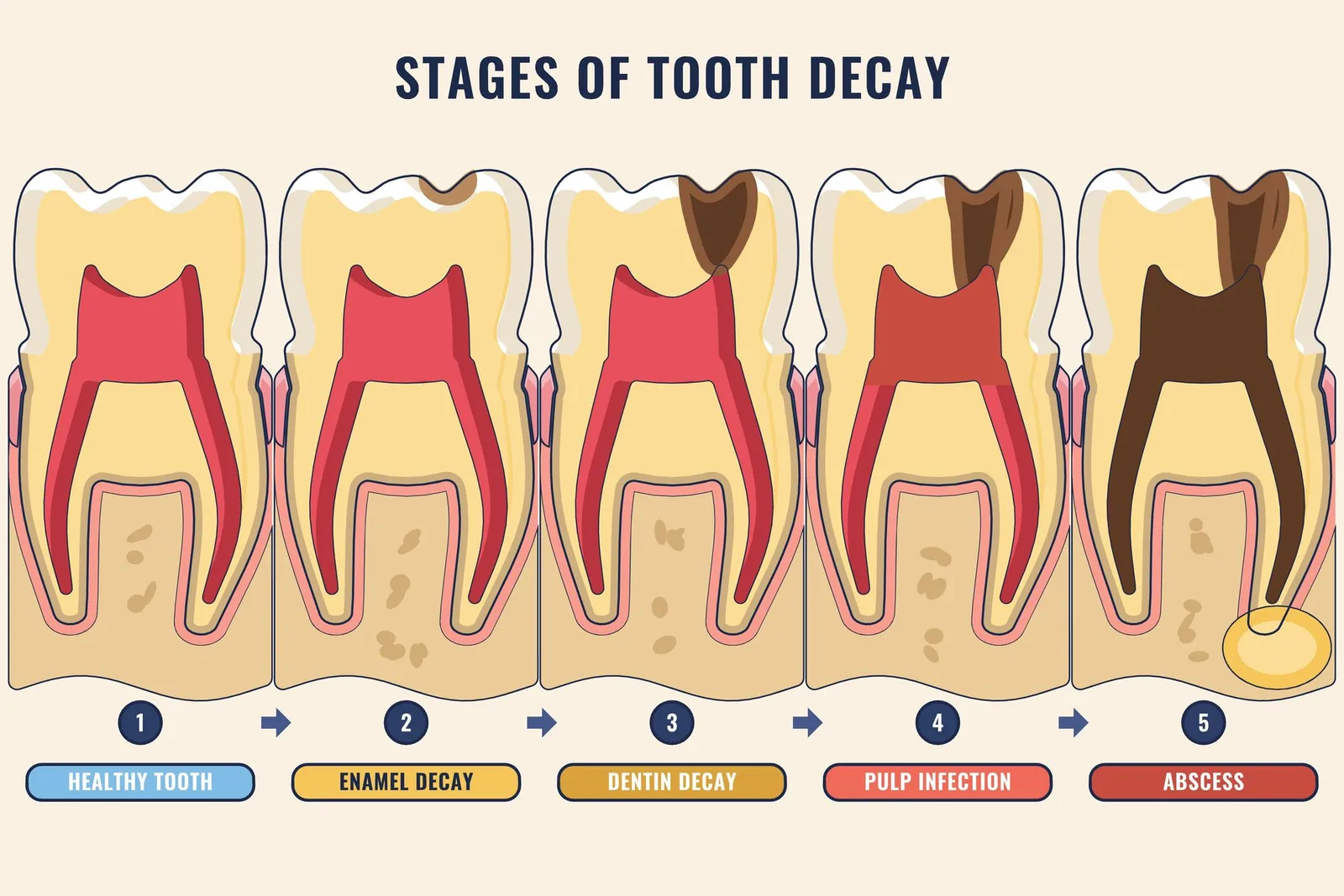
A cavity develops when bacteria in your mouth produce acids that gradually damage tooth enamel.
In the early stages, you might not experience any pain. However, as decay progresses, it can move deeper into the tooth.
Here is how the problem can develop:
Stage 1 – Early enamel damage: Minerals are lost from the tooth surface. Some early lesions can be reversed with professional fluoride treatment and good oral hygiene.
Stage 2 – Established cavity: A hole develops in the tooth and usually requires a filling.
Stage 3 – Deeper decay: The damage reaches the inner dentin, potentially causing sensitivity and pain.
Stage 4 – Pulp infection: Bacteria reach the tooth's nerve tissue, potentially requiring root canal treatment.
Stage 5 – Advanced infection: An abscess or extensive structural damage may develop, sometimes requiring extraction.
The Centers for Disease Control and Prevention (CDC) explains that untreated cavities can cause pain, infection and tooth loss.
2. How Much Does It Cost to Treat a Cavity in Euless, TX?
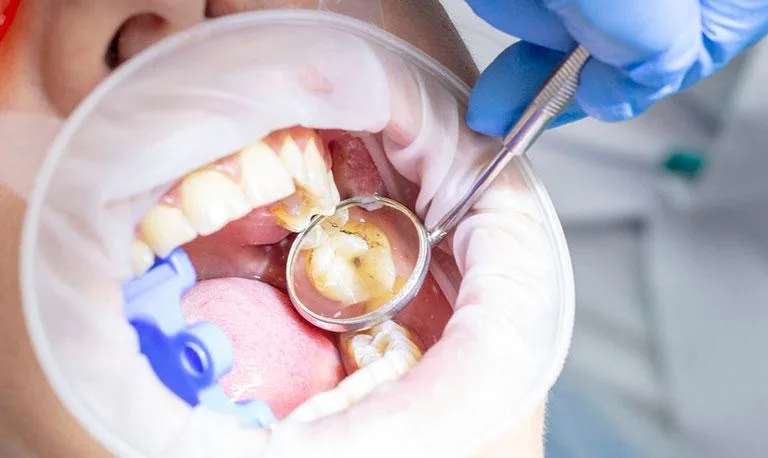
One reason people delay dental appointments is cost. However, treating a cavity early is generally less expensive and less complicated than treating advanced decay.
Here are illustrative dental treatment budgets for the Euless and wider DFW area.
Dental Treatment | Estimated Cost (USD) |
|---|---|
Dental examination | $50–$150 |
Dental X-rays | $25–$150 |
Small tooth filling | $150–$300 |
Larger tooth filling | $200–$450 |
Dental crown | $900–$2,000 |
Root canal treatment | $700–$1,500 |
Tooth extraction | $150–$500 |
Indicative budgeting estimates, not verified quotations from Euless clinics. Prices depend on the tooth, decay severity, materials, insurance and treatment complexity. Root canals and crowns may be billed separately.
Why does waiting become more expensive?
Imagine you have a small cavity that only needs a filling.
If you ignore it and the decay reaches the tooth's pulp, you may need root canal treatment followed by a crown.
If the tooth becomes too damaged to restore, extraction and potentially tooth replacement may become necessary.
The additional treatment can involve more appointments, specialist care and higher expenses.
MedlinePlus also explains that early treatment is generally less expensive and can help save the natural tooth.
3. Five Warning Signs You Should Never Ignore

Not every cavity causes immediate pain. That's why it is important to recognise other warning signs.
1. Sensitivity to hot and cold drinks
If your tooth hurts when drinking cold water or hot coffee, decay or another dental problem may be affecting the tooth.
2. Dark spots or visible holes
Brown or black spots and visible holes can indicate tooth decay. A dentist needs to examine them to determine the cause.
3. Pain while chewing
Discomfort when biting or chewing may indicate deeper decay, a cracked tooth or another dental issue.
4. Persistent toothache
Pain that continues or becomes worse should be assessed promptly.
5. Swollen gums or facial swelling
Swelling, pus, fever or a bad taste around a tooth can indicate infection and needs urgent dental assessment.
Emergency warning
If you experience difficulty breathing or swallowing, or rapidly spreading swelling around your face, neck or mouth, seek emergency medical care immediately.
4. Filling vs Root Canal vs Extraction: What Could You End Up Paying For?
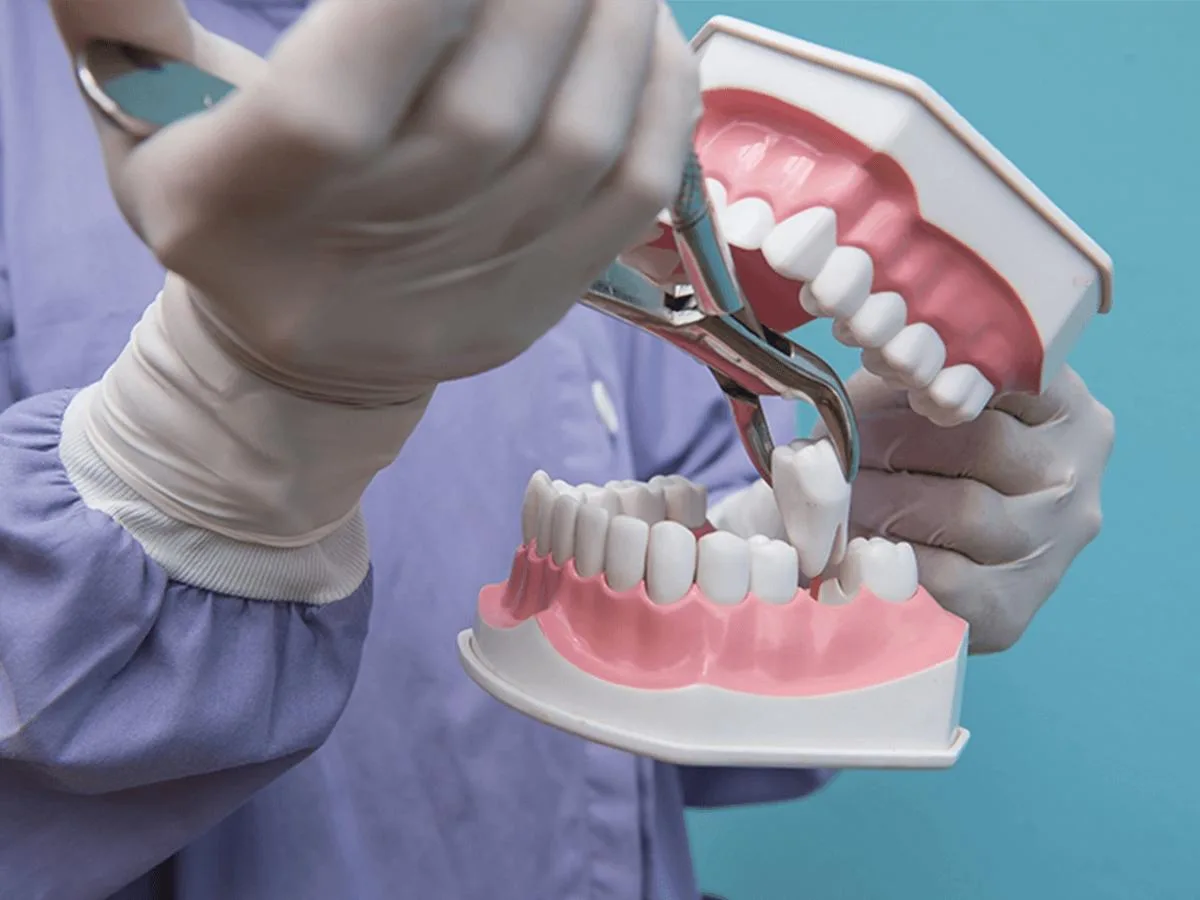
The treatment you need depends on how far the decay has progressed.
Treatment | When It May Be Needed | Main Purpose |
|---|---|---|
Dental filling | Small or moderate cavity | Remove decay and restore tooth |
Dental crown | Extensive tooth damage | Protect and strengthen the tooth |
Root canal | Infection or damage inside the pulp | Remove infected tissue and preserve the tooth |
Tooth extraction | Tooth cannot be restored | Remove the damaged tooth |
The important difference: A filling treats the damaged portion of the tooth, while root canal treatment addresses infection or damage inside it.
A root canal does not automatically mean you will lose your tooth. In many cases, it can help preserve the natural tooth.
5. Where Can You Get a Cavity Checked in Euless, TX?

If you have noticed a cavity, sensitivity or tooth pain, consider arranging a dental examination rather than waiting for symptoms to become worse.
Here are some local dental practices in Euless you can contact.
Trail Creek Dental
350 Westpark Wy #200, Euless, TX 76040, United States
Family dental practice offering general dental care.
+1 817-283-5376
Pleasant Dental
1060 N Main St #103, Euless, TX 76039, United States
General and restorative dental services.
+1 817-857-2050
H-E-B Family Dentistry
220 W Harwood Rd #100, Euless, TX 76039, United States
Local family dental practice offering general dental care.
+1 817-857-1046
Call ahead to confirm current services, examination fees, insurance acceptance and appointment availability.
6. Does Dental Insurance Cover Cavity Treatment in Texas?
Dental insurance can help reduce the cost of treating cavities, depending on your policy.
Many dental plans include benefits for preventive examinations, basic restorative procedures and more extensive treatments.
However, coverage varies.
Before scheduling treatment, ask your insurance provider:
Are dental examinations and X-rays covered?
What percentage of filling costs is covered?
Is there a waiting period?
Does my plan cover root canal treatment?
Is there an annual maximum benefit?
Do I need pre-approval for a crown?
Also ask your dental office for a written treatment estimate showing your expected out-of-pocket expenses.
If you don't have dental insurance, ask whether the clinic offers cash prices, payment plans or membership options.
7. How to Prevent Cavities From Becoming Expensive Dental Problems

A few simple habits can help reduce the risk of tooth decay.
Brush twice daily using fluoride toothpaste.
Floss or clean between your teeth every day.
Reduce sugary drinks and frequent snacking.
Drink water regularly.
Visit your dentist for routine examinations.
Treat sensitivity and suspected cavities early.
Ask your dentist whether fluoride treatments or dental sealants are appropriate.
The CDC recommends fluoride toothpaste, regular dental care and preventive measures such as dental sealants to help reduce cavities.
8. What Should You Ask Your Dentist Before Getting a Cavity Filled?
Before agreeing to treatment, ask your dentist:
How deep is the cavity?
Can it be treated with a simple filling?
Is the tooth close to the nerve?
Will I need a crown or root canal?
What material will you use for the filling?
What is the total estimated cost?
Does my insurance cover the procedure?
What happens if I delay treatment?
Understanding the condition of your tooth and available treatment options can help you make a more informed decision.
Frequently Asked Questions
1. Can a cavity go away on its own?
Very early tooth decay may be reversed through remineralisation. However, once a physical hole has formed, it generally requires dental treatment.
2. How long can I leave a cavity untreated?
There is no safe fixed waiting period. Cavities progress at different rates, so arrange a dental examination when you suspect decay.
3. Does a cavity always need a filling?
Not necessarily. Early enamel changes may be managed with fluoride and preventive care. Established cavities generally need restorative treatment.
4. What happens if a cavity reaches the tooth nerve?
It may cause inflammation or infection inside the tooth. Root canal treatment or extraction may be necessary, depending on whether the tooth can be saved.
5. Is treating a small cavity cheaper than a root canal?
Generally, yes. A simple filling is usually less expensive than root canal treatment and a crown.
6. Can a cavity cause a dental abscess?
Yes. Advanced untreated decay can cause an infection or abscess, potentially resulting in severe pain, swelling and fever.
Keep reading
More from Visit Euless

Dentist
Toothache in Euless at Midnight? What to Do (and What Not To) ?
A toothache at midnight can be frustrating, especially when dental offices are closed. However, knowing what to do and what to avoid can help you manage discomfort until professional care is available. For Euless residents, the most important thing is not to ignore persistent pain, swelling or signs of infection. Use safe temporary measures, contact a dentist as soon as possible and seek emergency medical attention if you experience serious swelling or breathing difficulties.
By Visit Euless

Dentist
Teeth Whitening in Euless: Dentist vs. Drugstore Strips?
Compare professional teeth whitening and drugstore strips in Euless, TX. Discover the costs, results, benefits and safety tips to choose the best option for a brighter, healthier-looking smile! 😁
By Visit Euless

Dentist
Dental Implants in Euless, TX: Real Costs & What to Ask First ?
Dental implants can be a valuable long-term option for replacing missing teeth, but the cheapest advertised price isn't necessarily the best deal. For Euless residents, comparing complete treatment costs, checking the dentist's experience and understanding insurance coverage are important first steps. Before committing, get a proper examination, ask for a written treatment plan and compare at least two dental consultations.
By Visit Euless

Dentist
Best Family Dentist in Euless, TX: 7 Questions to Ask Before You Book ?
Finding the best family dentist in Euless, TX, doesn't have to be difficult. Start by asking these seven questions about children's care, insurance, treatment costs, emergencies and appointment availability. Compare a few local dental practices, read recent patient reviews and choose a dentist who communicates clearly and makes your family comfortable.
By Visit Euless
Comments
No comments yet. Be the first to join the conversation.
Leave a comment
Every comment is read by a moderator before it appears. Your email address is never published; it is used only to contact you about this comment.